01
Modernization without big-bang risk
Phased refactoring and hybrid approaches let legacy and modern components coexist while risk drops incrementally.
Legacy modernization
Phased application modernization for agencies and enterprises — refactor, replatform, and integrate live systems while preserving uptime, audit evidence, and business continuity.




The real challenge
Legacy application modernization is the work of evolving live systems — dependencies, batch jobs, integrations, and reporting flows that rarely appear on architecture diagrams but keep the business running.
01
Phased refactoring and hybrid approaches let legacy and modern components coexist while risk drops incrementally.
02
We modernize systems tied to revenue, reporting, and operations — where downtime, data loss, or broken integrations are not acceptable.
03
Access models, change approvals, logging, and traceability stay active throughout transition — not rebuilt after the fact.
04
White-label capacity with fixed ownership, structured sprints, and documentation your client relationship can survive.
Services
From roadmap through production hardening, we modernize inside active environments — not in isolation from the teams and controls that depend on them.
01
Assess dependencies, data flows, and control gaps — then define a phased path that balances risk, cost, and business continuity.
02
Refactor code and architecture for maintainability and performance while preserving functional parity in production.
03
Expose stable APIs over legacy cores so new products, portals, and agency client briefs integrate without destabilizing proven logic.
04
Move workloads to AWS, GCP, or Cloudflare with staged cutovers, rollback readiness, and monitoring continuity.
05
Pipelines with traceable approvals, environment controls, and zero-downtime releases — aligned to how regulated teams actually ship.
06
Ingestion pipelines, validation layers, and reporting refresh while preserving historical records audits and finance depend on.
Industries we serve
We focus on engagements where production delivery, integration depth, and phased change matter — agencies, automotive enterprise, and live SaaS products.
01
Agency modernization is white-label engineering on live client systems — portals, dealer platforms, and integrations that cannot go dark mid-campaign.
02
Enterprise modernization means high-volume data, multi-market rollouts, and integrations with production systems like VISTA — not a standalone rebuild.
03
Product modernization is evolving a live codebase — tenancy, billing, and integrations intact — while reducing the delivery drag technical debt creates.
Technology
Tools are selected for integration complexity, security posture, and the ability to coexist with legacy components during phased transitions.
Backend
Frontend
Infrastructure
Delivery
Security & compliance
Quick Brown Fox maintains ISO/IEC 27001 and SOC 2. Modernization work preserves controls appropriate to your environment — access governance, audit trails, and data handling scoped per engagement.
Compliance scope is tailored per project; we do not claim blanket certification for every framework on every engagement.
Delivery playbook
A phased modernization process that validates on real dependencies before full scope commits — legacy and modern systems coexist until the team is confident.
Phase 01
Map how systems behave in production — dependencies, batch jobs, interfaces, reporting flows, and control environments — before changing anything.
Phase 02
Phased refactors, API layers, or cloud migration with legacy and modern components running side by side for validation.
Phase 03
Monitoring, control checks, performance tuning, and documentation until your team or agency owns the modernized system confidently.
Case studies
Production modernization across enterprise dealer platforms, live portal extensions, and operational workflow replacement.

Global automotive brand via VML
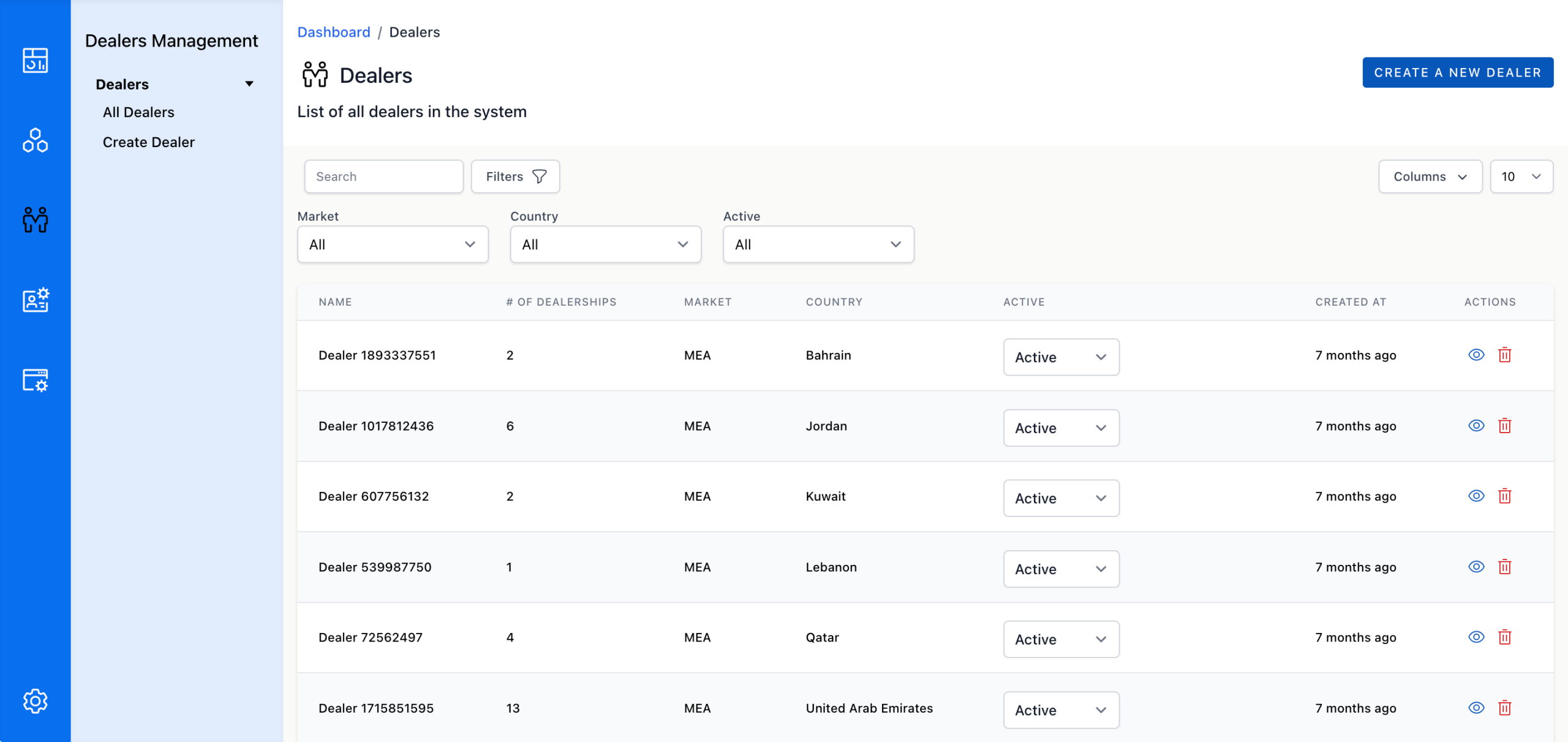
Global automotive brand via VML
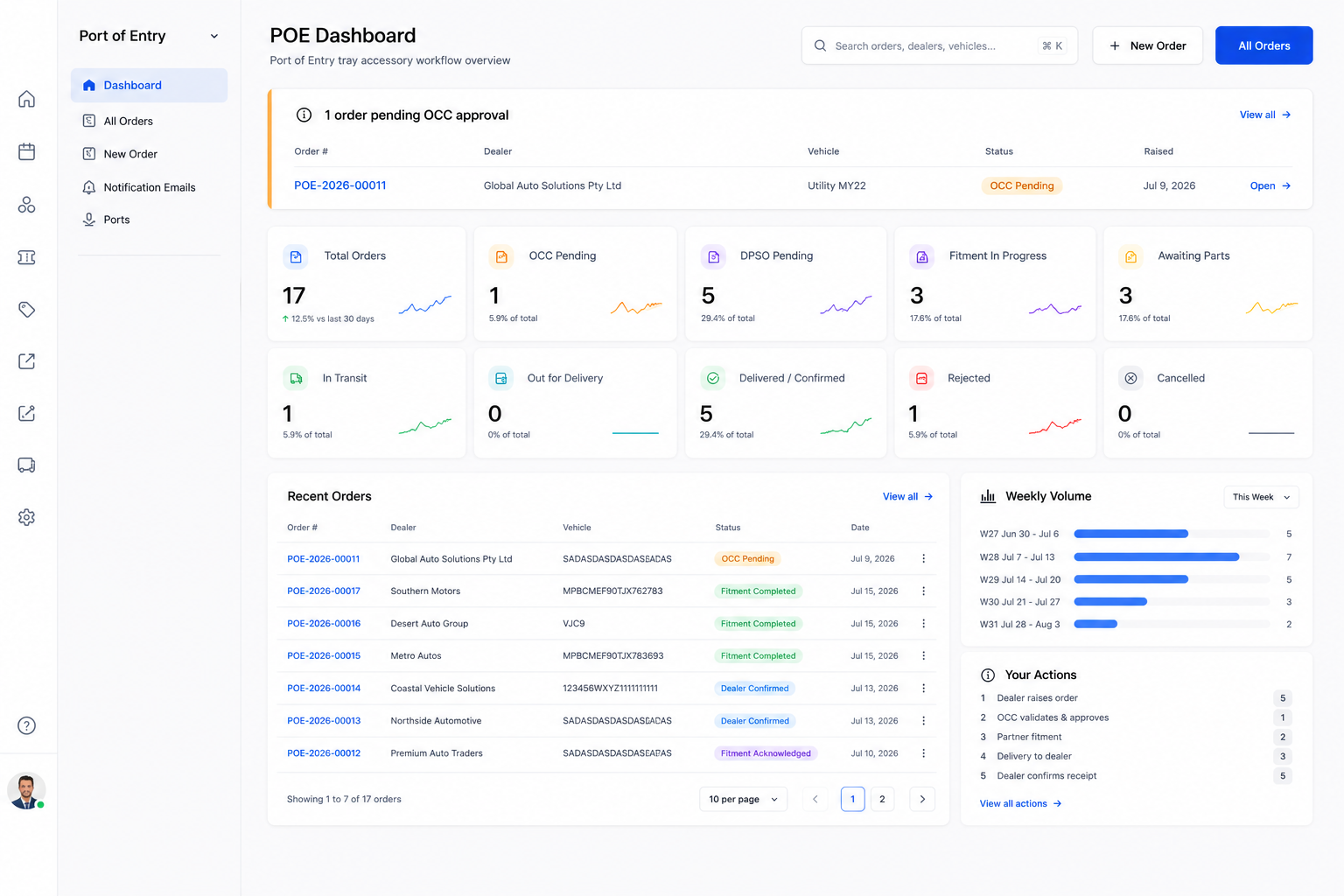
Global automotive brand via VML
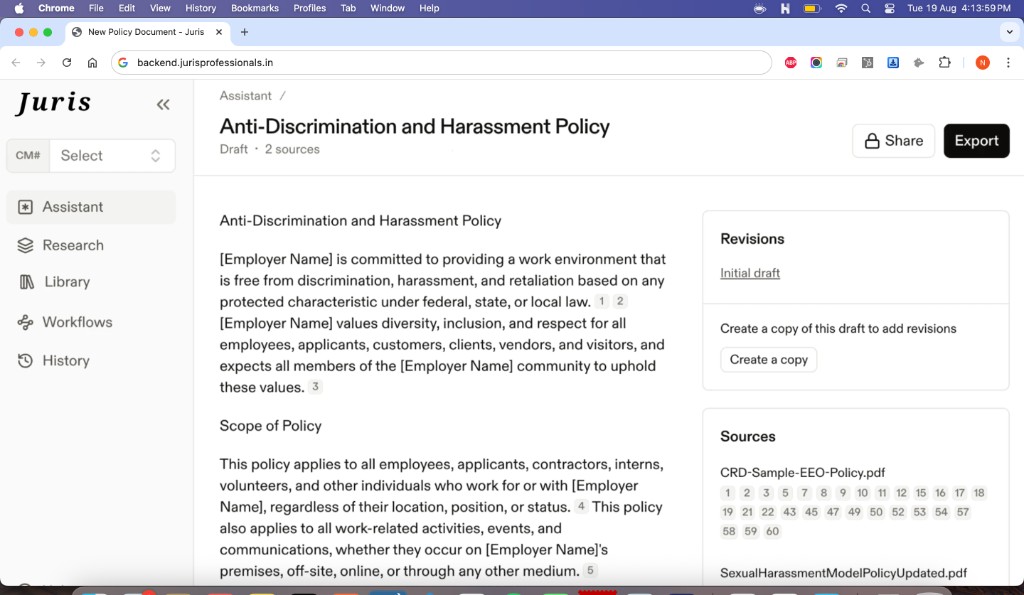
Legal services practice
Related insights
FAQ
Straight answers on phased delivery, production risk, agency partnerships, and compliance — without pricing guesswork.
In live environments, modernization means working inside systems that cannot stop — refactoring, hardening integrations, upgrading infrastructure, and adding API layers without destabilizing what already works. It is not a greenfield rewrite unless the business case truly demands one.
We use phased approaches where legacy and modern components run side by side. Access controls, change approvals, logging, and audit trails stay active throughout. Testing goes beyond feature parity — integrations, downstream reports, and performance under real load matter.
Signals include releases taking months, recurring incidents, the same control gaps surfacing in audits, or agency/client briefs blocked by integration debt. A focused audit usually clarifies whether refactor, replatform, or API-layer work delivers the best return.
Replacement discards years of business logic, data flows, and operational knowledge. Modernization keeps what still works and fixes what does not. Most enterprise and agency engagements benefit from incremental change when stability and continuity matter more than a clean slate.
Yes. We regularly deliver as a technical partner behind agency brands — scoped discovery, senior-led implementation, and handover documentation so your client relationship stays intact.
Quick Brown Fox maintains ISO/IEC 27001 and SOC 2 practices. On engagements we apply controls appropriate to your environment — including HIPAA-aligned healthcare delivery, GDPR-ready data handling, access control, encryption, and audit trails. Compliance scope is defined per project.
Work with us
From agency client briefs to enterprise dealer platforms — senior engineers, phased delivery, and systems that integrate with what you already run.